In an era where sustainability is becoming not just a choice but a necessity, businesses across various sectors are turning to more environmentally friendly power solutions.
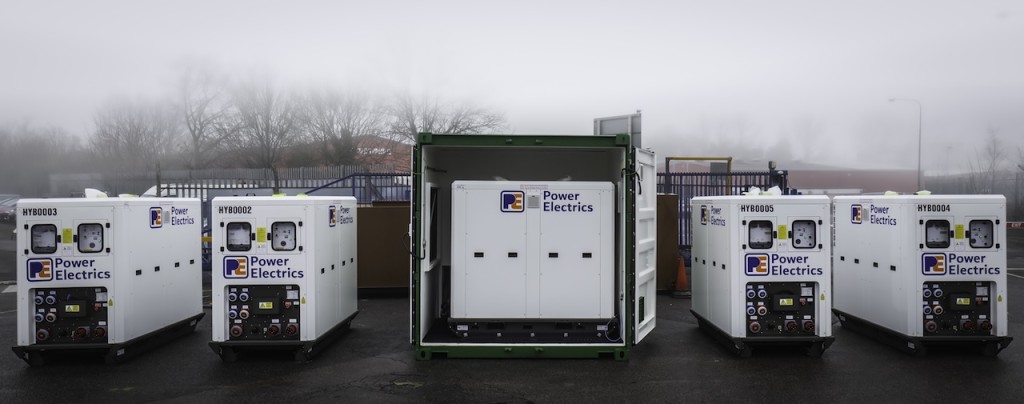
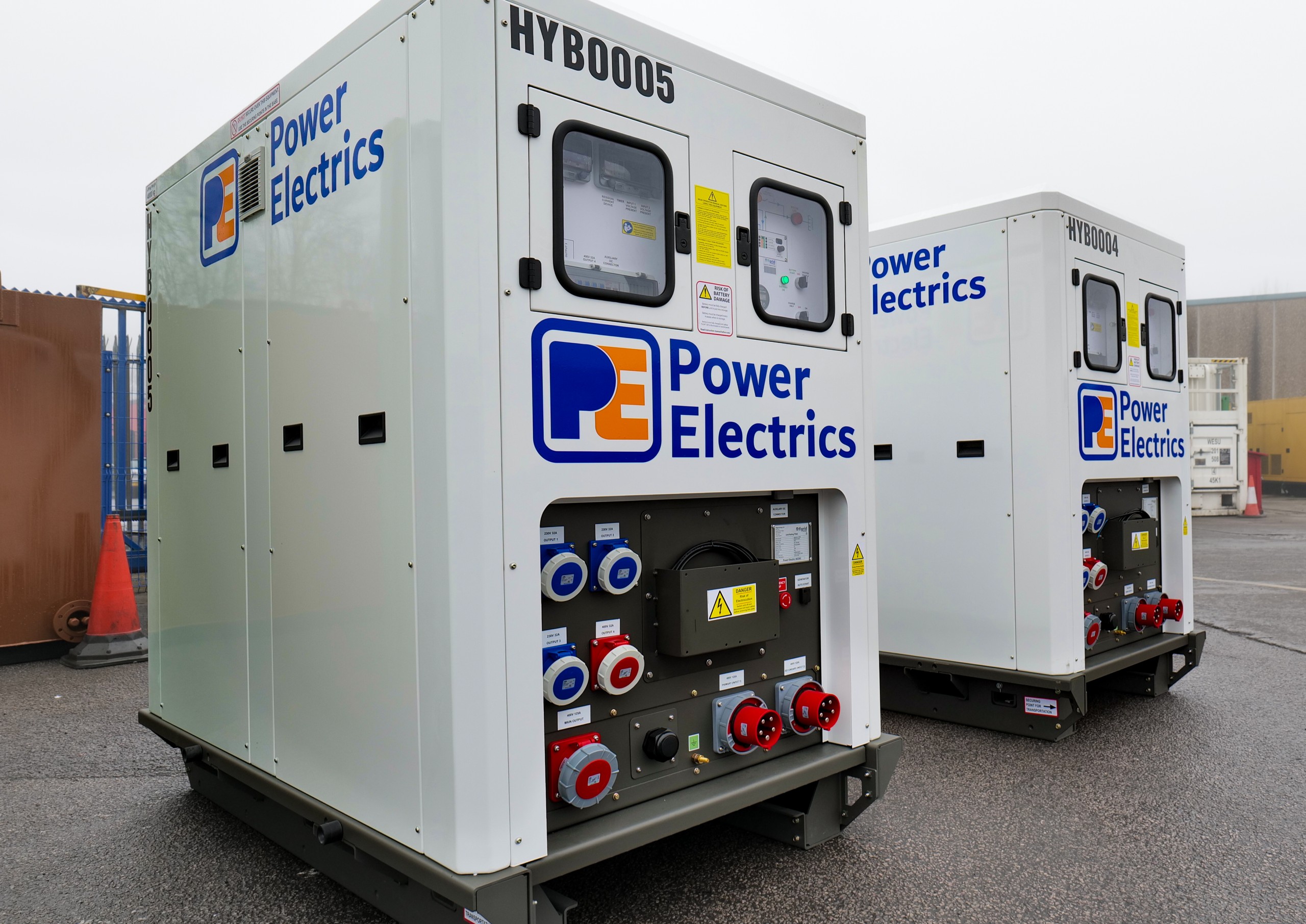
Among these, Battery Energy Storage (BES) Units have emerged as a pivotal technology, offering efficient, clean, and reliable energy storage and supply. To integrate BES Units, otherwise known as Battery Energy Storage Solutions (BESS) or Hybrids, into your operations, picking the correct capacity is crucial.
This step-by-step blog will walk you through the process, ensuring you make an informed decision that aligns with your sustainability goals and operational needs.
Step 1: Determine Your Energy Requirements – What are you powering?
The first step is establishing your energy usage patterns and requirements. For businesses in construction, manufacturing, healthcare, and other high-demand industries, this involves:
- Analysing Historical Energy Data: Look at your past energy consumption to identify peak demand periods and average energy usage.
- Project Future Energy Needs: Consider any planned expansions or projects that might increase your energy requirements.
- Identify Critical Loads: Pinpoint essential systems and operations that require uninterrupted power, especially in industries like healthcare and utilities.
Step 2: Evaluate Your Operational Objectives – What is your goal?
Your goals can significantly influence the size of the BES Units you need. Whether it’s reducing carbon footprint, cutting energy costs, or ensuring uninterrupted power for critical operations, clearly defining your objectives will guide your sizing process. Consider:
- Sustainability Targets: If reducing emissions is a priority, understanding your low loads and peak loads is key. A BES unit could be used to handle the low load demand for the period on its own (such as overnight) – you’ll need to calculate the capacity needed for this. Similarly, you could power your project with a smaller generator by combining it with a BES unit which would share the peak load.
- Cost-Saving Goals: As mentioned above, are there low-load phases that don’t require a generator to be running – could a BES unit cover the power demand during that time?
- Reliability Requirements: For sectors like healthcare and utilities, the focus might be on backup power, can a BES Unit cover the critical load if there’s an outage?
- Noise restrictions: Sites may have a no-noise policy during certain hours, a BES can be put in to ensure that the generator doesn’t run during hours when noise isn’t permitted.
Step 3: Understand BES Unit Capacity and Power – How much can they hold?
BES Unit sizing involves two key components: capacity (kWh) and power (kW). Capacity refers to the total amount of energy stored, while power is the rate at which that energy can be delivered. For more on converting to kWh, see The Difference Between kVA and kWh Blog.
- Calculate Required Capacity: Based on your energy assessment, estimate how many kilowatt-hours you need to store for your operational runtime.
- Determine Power Needs: Consider the highest power draw your operations might require at any one time to identify the kW rating your BES Unit should have.
- Sizing Paired Generator: You’ll also have to take into account the size of the generator to pair alongside the BES Unit. To do so you can read our blog on Generator Sizing: A Step By Step Guide.
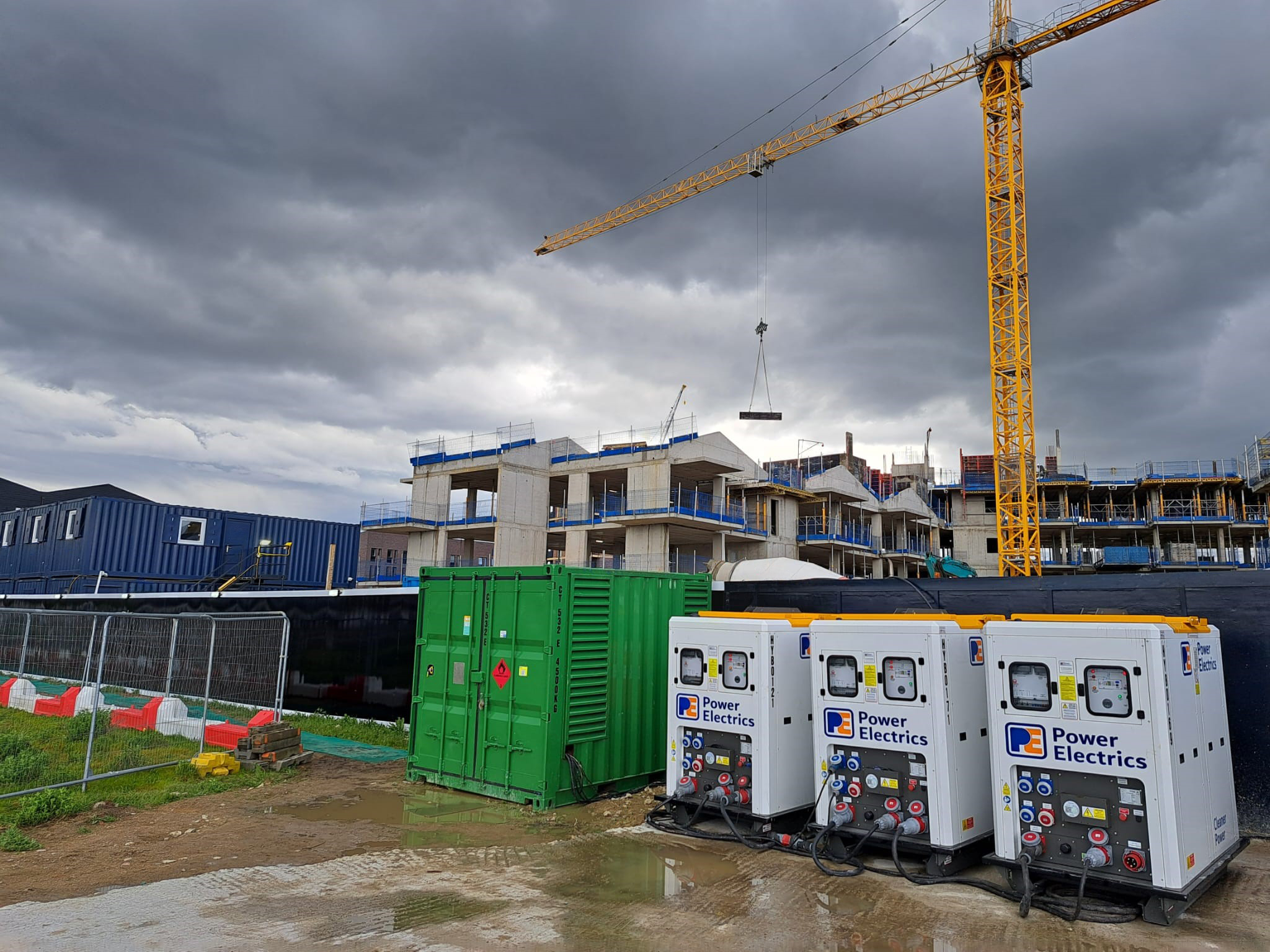
Step 4: Consult with Experts – How can Power Electrics help?
With your preliminary sizing done, it’s vital to consult with experts who can help refine your estimates, which is where Power Electrics can help. But what will we do:
- Technical Evaluations: Remotely accessed, in-depth analysis of your energy patterns and requirements, advising how best to help with your site’s needs.
- Regulatory Compliance: Ensuring the BES Unit meets industry and national standards.
- Future-Proofing: Advice on scalability and adaptability to future energy needs.
Step 5: Understanding the Benefits – What savings can you expect?
- Savings: Calculate the return on investment, including potential savings on the cost of fuel saved and potential reduction in the size of the generator required alongside.
- Environmental Impact: Evaluate how the BES Unit aligns with your sustainability goals and the positive environmental impact of reducing reliance on fossil fuels.
- Case studies: We have several stories of customers cutting their generator runtime, resulting in a reduction in fuel usage and emissions. Have a read of Royal International Air Tattoo 2023, Sustainable Power Solution for Hospital Scanners or Hybrid Solution to Meet Environmental Policy Needs.
Sizing a Battery Energy Storage Unit is a critical step towards integrating more sustainable solutions into your projects and site operations.
By following this guide, projects across the construction, utilities, manufacturing, and other sectors can ensure they select a BES Unit that not only meets their energy requirements but also supports their environmental and operational objectives.
Get in contact with one of Power Electrics’ BES experts at the link below to find out what eco-friendly power solutions we can provide for your next project.